The diagnostic approach
We survey before we specify. Every repair begins with understanding why the stone failed — not just where.
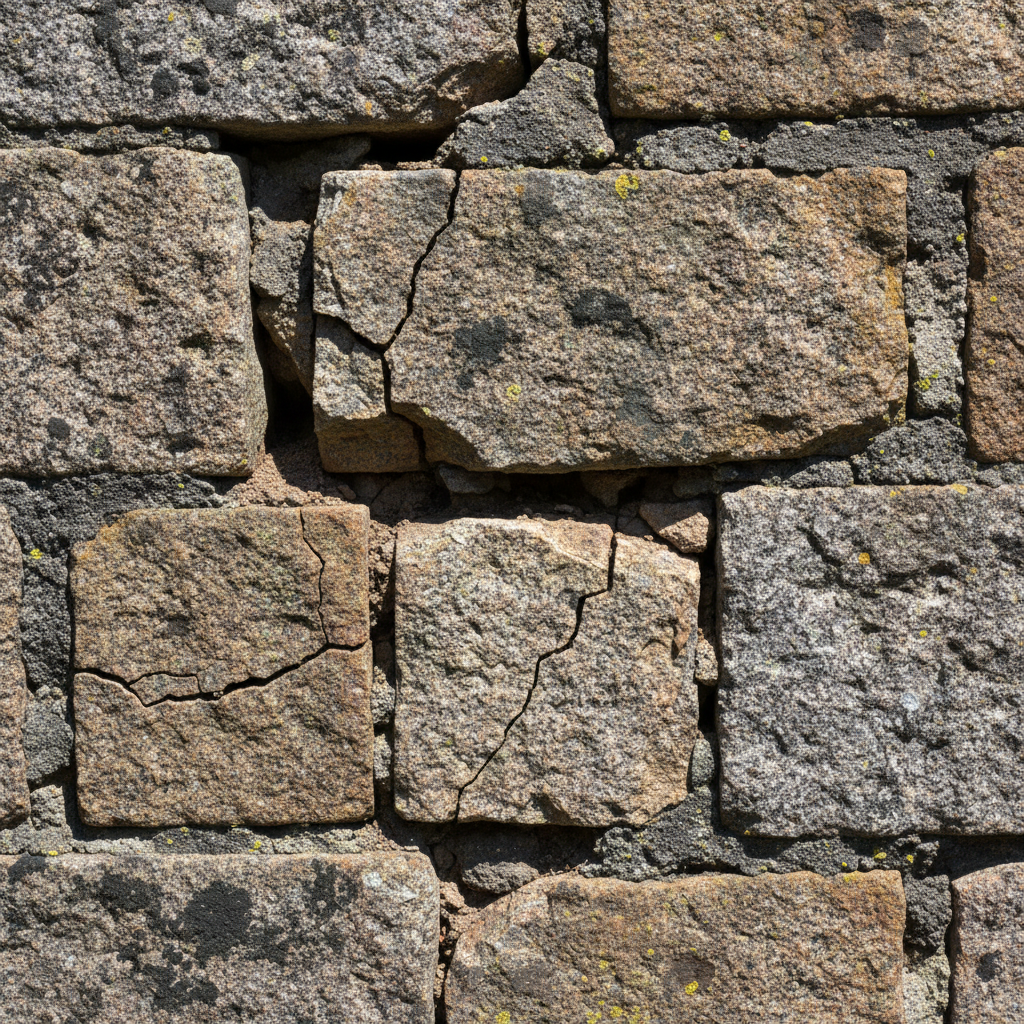
The joint that looked fine from the road
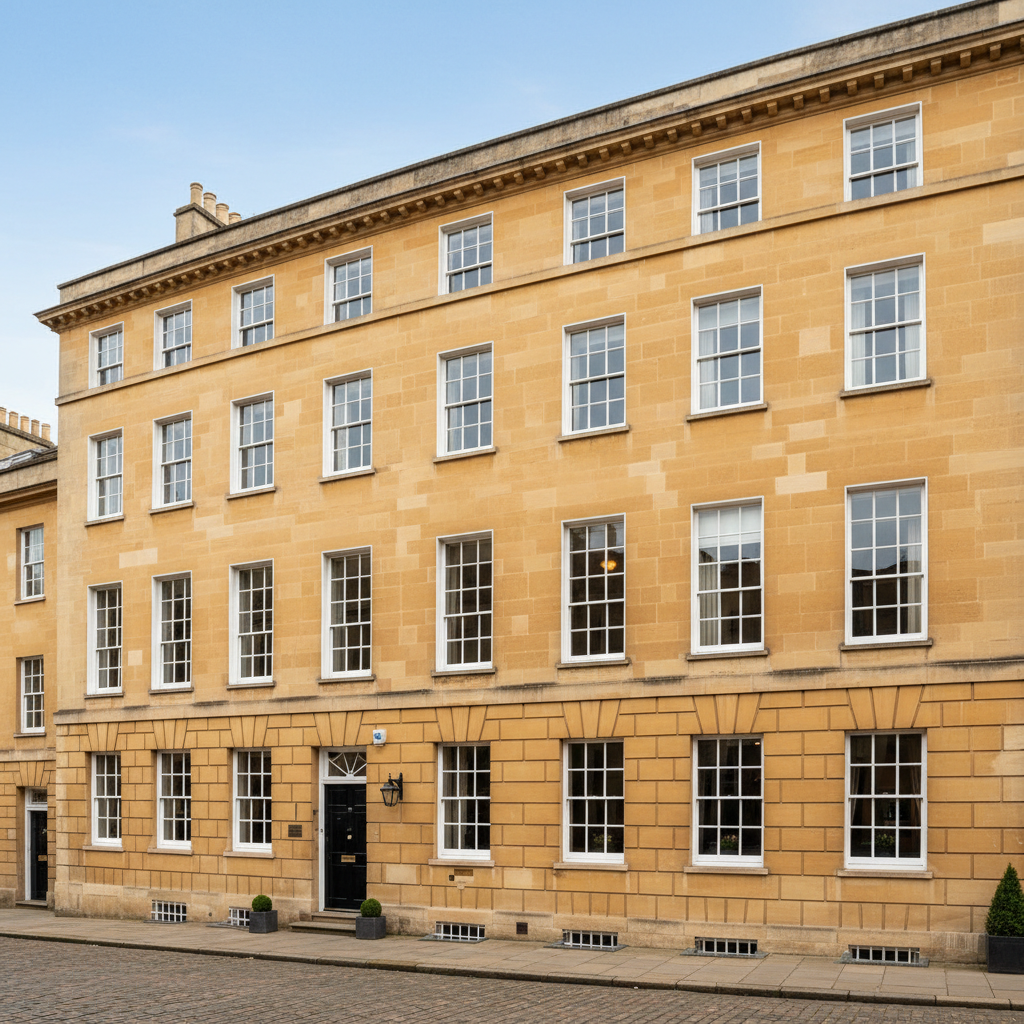
Hairline cracking through the bed joints had allowed seventeen years of water ingress behind a Bath stone parapet. The original lime mortar had carbonated and shrunk away from the arrises. By the time we surveyed it, the inner leaf was saturated and beginning to delaminate.
Full raking of failed joints to 25mm depth, followed by NHL 3.5 repointing in two coats — scratch and finish — using a mix matched to the original carbonated lime analysis. Joint profile: flush struck, tooled back with a charger.
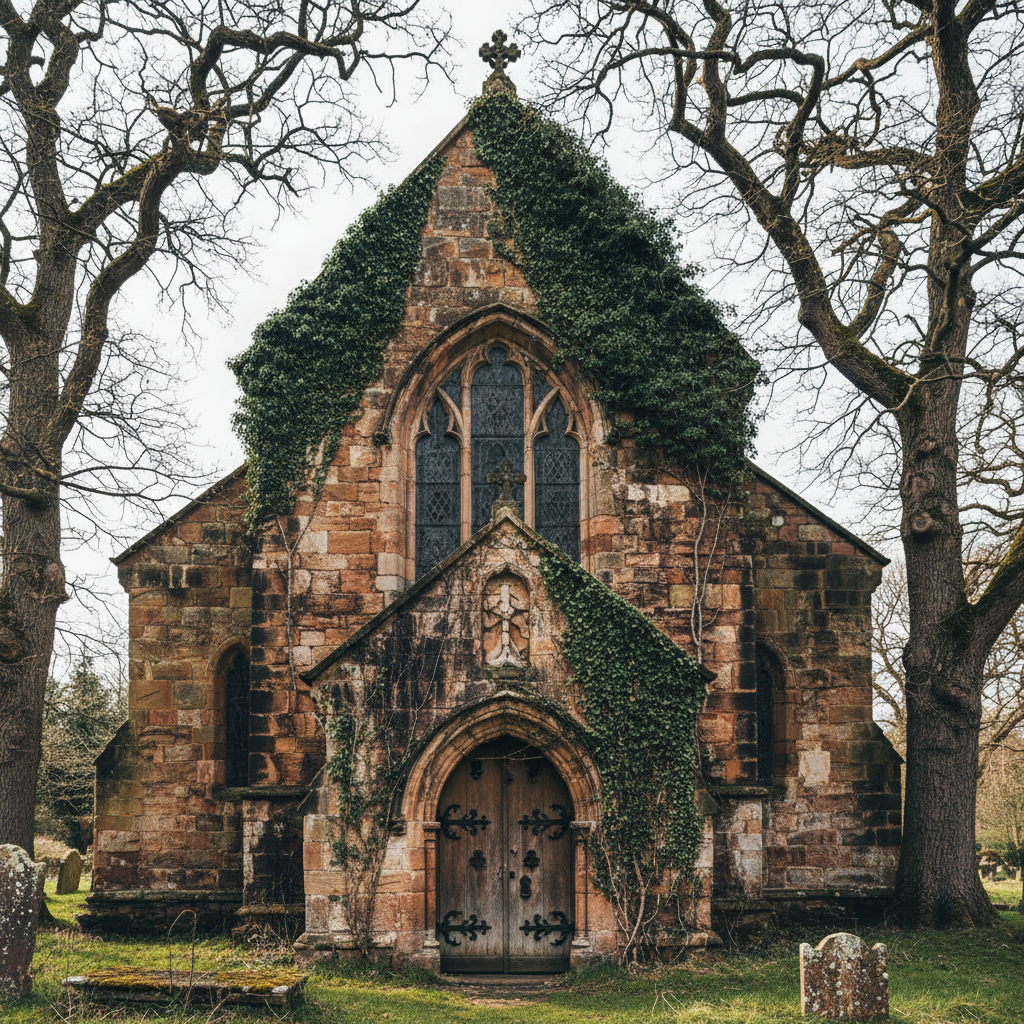
Where Portland met the original Bath stone
A mid-century repair had introduced Portland cement patches into a Bath stone façade — a colour mismatch visible at 40 metres. The harder cement was causing compressive stress fractures in the adjacent original stone, concentrating moisture and accelerating the very decay it was meant to arrest.
Removal of all cement patches. Type A indenting in matching Bath stone sourced from Hartham Park. Indents pinned with stainless 316 dowels in NHL grout, joints pointed in lime putty mortar to match the original bed depth of 8mm.
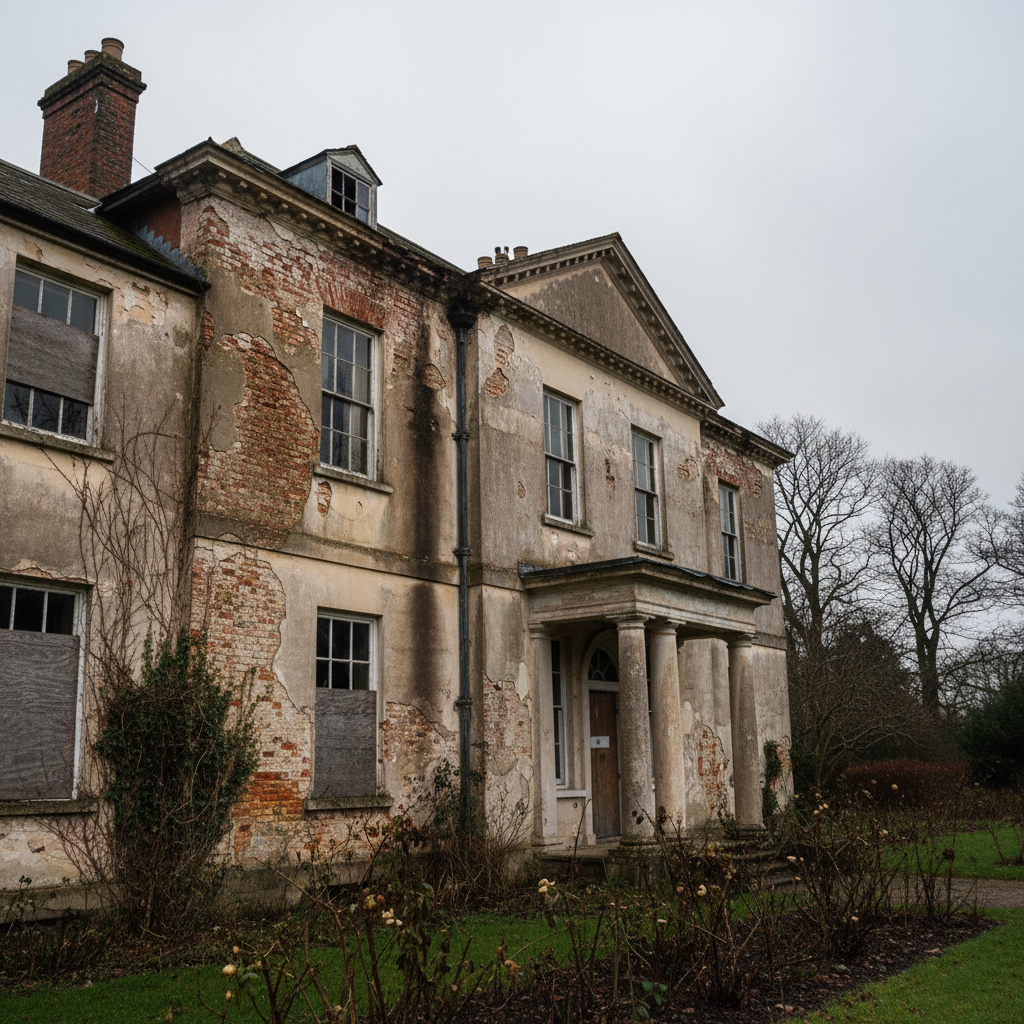
Sandstone that had forgotten what dry felt like
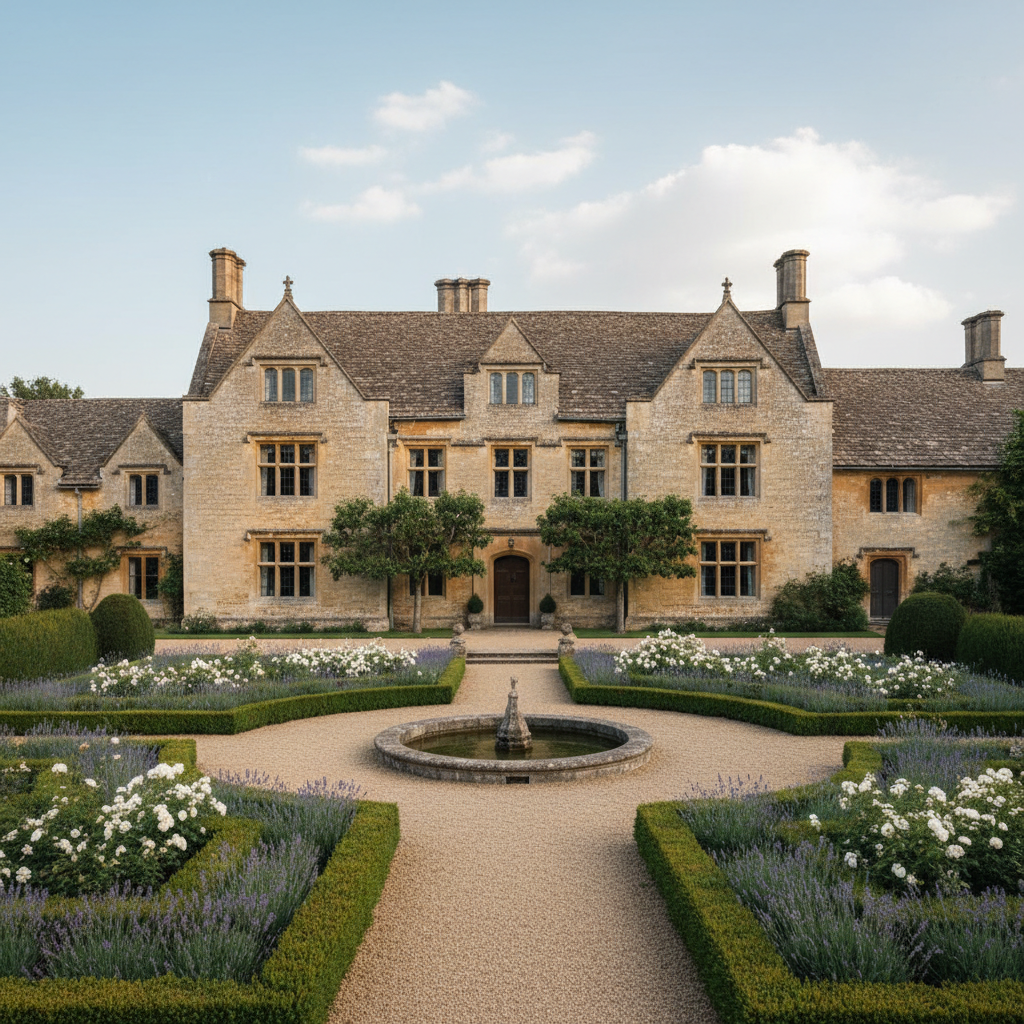
Friable Cotswold limestone on the north elevation had absorbed water through failed pointing and a missing lead apron. The outer face had spalled back 12–18mm across an area of approximately 40m². The stone was still structurally sound but the surface was open to further frost action.
Consolidant injection with Wacker BS45 into the most friable zones. Two coats of sacrificial shelter coat — a hot lime and aggregate mix applied by brush — to protect the surface through a minimum of two winter cycles before assessment for final repointing.
Selected restorations
Each project begins with a measured survey. Each specification is written for the building, not the budget.
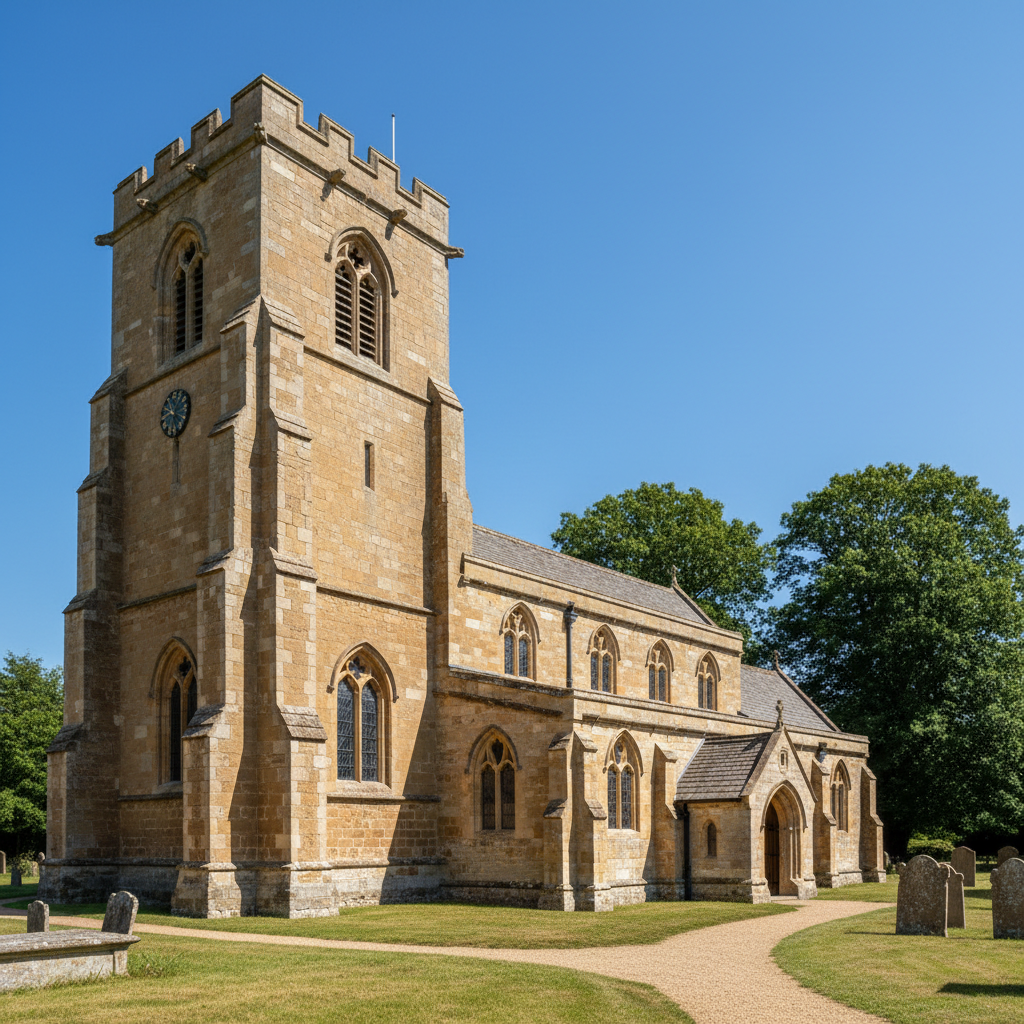

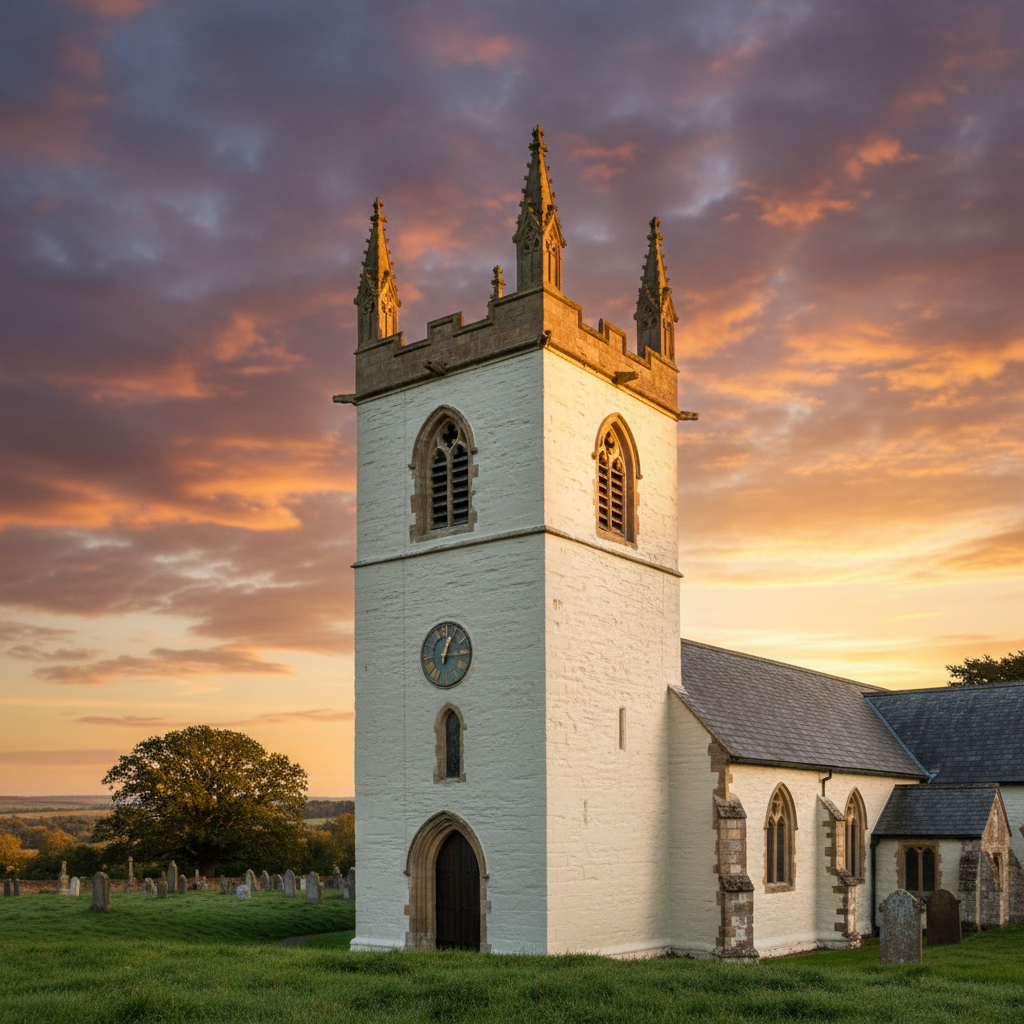
Viewing 5 of 200+ completed projects.
Our Specification Guide
for Lime Mortar Repairs
Forty pages covering mortar analysis, NHL selection, joint profiles, and Conservation Area compliance. Written for conservation officers, architects, and estate managers specifying repair works.